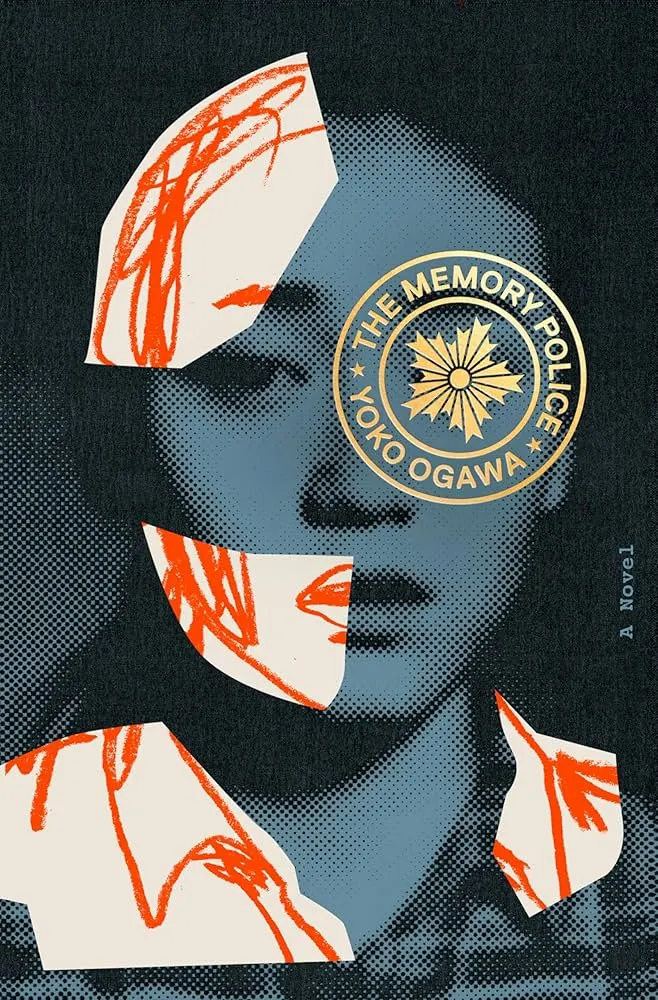
On an unnamed island, objects, memories, and even parts of the body begin to disappear. Most people accept these losses without resistance, while a few retain the ability to remember and are quietly removed by the Memory Police. As forgetting becomes routine, survival depends less on defiance and more on adaptation.
My Review
I finished The Memory Police feeling unsettled rather than resolved. The ending resists the kind of closure I instinctively look for. It is not rushed or incomplete, but deliberately restrained, leaving space where explanations might usually sit. I kept waiting for answers that never came. Who were the memory police, what shaped their authority, what purpose did this gradual erasure serve, and why were some people able to remember while others could not.
That need for explanation comes from a part of the mind that wants structure, logic, and causality. This novel refuses to meet it. Instead, absence becomes the central force. Silence, gaps, and forgetting are not problems to be solved, but conditions to be endured.
The book reads easily, almost deceptively so. The prose is calm and precise, which only deepens the unease beneath the surface. The dystopia Ogawa creates is quiet and domestic rather than overtly violent or dramatic, and that intimacy is where its power lies. Loss unfolds in kitchens, bedrooms, and small routines, making it feel disturbingly ordinary.
“Memories are a lot tougher than you might think. Just like the hearts that hold them.”
What I Loved
- The restrained, unsettling atmosphere
- Clear, controlled prose
- A quiet, intimate approach to dystopia
- The focus on absence rather than explanation
Could Be Better
- Readers seeking concrete world-building may feel unsatisfied
- The emotional distance may not resonate with everyone
The Verdict
A subdued and quietly devastating novel that withholds answers by design. The Memory Police stays with you not because of what it explains, but because of what it leaves unresolved.